

Mobile IV Therapy: How It Works
If you’ve ever struggled to bounce back from a stomach bug, felt wiped out after a long flight, or simply wondered why drinking water doesn’t seem to help as quickly as you’d like, you’re not alone. Mobile IV therapy has emerged as a wellness trend that brings professional intravenous treatment directly to your home, office, or hotel room—no waiting rooms, no clinic visit required. In this guide, we’ll walk through exactly how mobile IV therapy work, what’s inside those drips, and whether this approach to hydration and nutrient delivery might fit your health and wellness needs.
Key Takeaways
- A registered nurse or licensed healthcare professional comes directly to your location with medical-grade supplies to administer an IV drip tailored to your goals.
- IV fluids, vitamins, and electrolytes bypass the digestive system and enter the bloodstream directly, allowing for faster absorption and effects—often within 30–60 minutes.
- Common use cases include dehydration recovery, hangover relief, jet lag, immune support during cold and flu season, and general wellness optimization for busy professionals and families.
- Before any intravenous treatment begins, clients complete a brief health screening covering medical history, allergies, and current medications, and are monitored throughout the session.
- After completion, most people can return to normal light activities, with many noticing improved energy and hydration within hours.
What Is Mobile IV Therapy?
Mobile IV therapy is professional intravenous hydration and nutrient infusion delivered wherever you happen to be—your living room, workspace, hotel room, or even an event venue. Rather than driving to a clinic or hospital, a licensed nurse brings everything needed to deliver the same high quality care you’d receive in a medical setting.
This isn’t a brand-new medical procedure. Hospitals have used IV administration to deliver fluids and medications since the early 20th century. What’s changed is the adaptation of this proven method for non-emergency wellness and recovery in everyday settings. The core mechanism remains the same: delivering nutrients directly into your bloodstream through a small catheter, ensuring your body absorbs the full dose without relying on your digestive tract.
Treatments typically include sterile IV fluids, electrolytes, and a mix of essential vitamins such as vitamin C and B complex vitamins. Depending on local regulations and your specific needs, some formulations may also include medications like anti-nausea or anti-inflammatory drugs. All supplies—the IV bag, tubing, catheter, disinfectants, and protective equipment—are single-use and medical-grade. The nurse follows standard clinical protocols throughout the process, so you’re receiving the same level of professional supervision you’d expect in any healthcare setting.

Who Is Mobile IV Therapy For?
Mobile IV therapy is an elective service designed for adults seeking convenience, faster hydration, and targeted nutrient support. It’s not meant to replace emergency medical care, but rather to provide a focused wellness tool for specific situations.
Consider who typically books these sessions:
- Busy professionals juggling demanding schedules who can’t afford downtime for a clinic visit
- Parents at home caring for sick kids who need to stay hydrated and functional themselves
- Frequent travelers dealing with jet lag, dehydration from flights, or recovery from crossing time zones
- Wedding parties and event groups preparing for big days or recovering from celebrations
- Athletes and fitness enthusiasts looking for post-workout recovery support after intense training or races
Common wellness goals include easing hangover symptoms after a night out, bouncing back from a stomach bug when drinking fluids orally isn’t cutting it, getting immune supporting nutrients during cold and flu season, and restoring balance after periods of heavy travel or stress.
Typical eligibility criteria include being a generally healthy adult 18 years or older. A brief medical screening helps identify anyone who might need extra caution or pre-clearance from their primary healthcare provider. This includes people with heart failure, kidney disease, uncontrolled high blood pressure, or complex medication regimens. If you fall into one of these categories, discussing mobile IV with your doctor first ensures you’re making a safe choice.
How Does Mobile IV Therapy Work Step by Step?
The process from booking to aftercare follows a consistent workflow that most providers share. Understanding what to expect removes much of the uncertainty, especially if you’ve never had an IV outside a hospital setting.
Here’s the typical sequence:
- Online or phone booking with location and drip selection
- Medical review and health screening
- Nurse arrival and setup at your location
- IV insertion and infusion
- Completion, wrap-up, and aftercare guidance
The entire session usually takes about 45–90 minutes, including intake, setup, the infusion itself (typically 30–60 minutes), and wrap-up. You can receive treatment on a sofa, recliner, desk chair, or hotel bed—wherever you’re most comfortable. Many clients read, watch TV, or work quietly during the drip while the nurse monitors their comfort and vital signs.
1. Booking Your Mobile IV Session
Most providers make booking straightforward through a website, phone call, or mobile app. You’ll choose a date, time window, and location—whether that’s your home, office, hotel, Airbnb, or event space.
During booking, you’ll select a drip type based on your health goals. Common options include formulations for hydration, immune support, hangover recovery, energy and focus, or athletic recovery. Some providers offer a recovery drip specifically designed for post-illness or post-event bounce-back.
Pricing typically includes a base visit fee plus the cost of your chosen IV package and any add-on injections like B12 or anti-nausea medication. Same-day or next-day appointments are often available in major metro areas, while more rural locations may need longer notice.
After booking, you’ll receive confirmation details via text or email, including your arrival window, the nurse’s name if available, and any pre-visit instructions.
2. Medical Screening and Consent
Before any IV is started, a licensed provider reviews a brief health questionnaire. This intake covers your health history, allergies, current medications, and any recent symptoms. Some services allow you to complete this digitally in advance, while others handle it verbally when the nurse arrives.
The provider checks for red-flag symptoms that would require emergency or in-clinic medical care instead—things like chest pain, severe shortness of breath, or high fever. Vital signs including blood pressure, heart rate, oxygen saturation, and temperature are usually measured, and you’ll sign informed consent before proceeding.
If the nurse identifies any safety concerns during this screening, they may decline to treat and refer you to urgent care or your primary physician. This isn’t meant to be frustrating—it’s a sign of responsible medical care that prioritizes your safety over completing the appointment.
3. Setup at Your Location
Once screening is complete, the nurse selects a clean, well-lit area for the session. This might be your living room chair, office couch, or a hotel armchair. A disposable barrier or pad protects the surface.
You’ll see visible professionalism throughout: the nurse opens sterile supplies in front of you, uses proper hand hygiene and gloves, and checks labels on IV bags and any medications. The IV bag is hung on a portable stand or hook, with tubing primed to remove air before connection—standard infusion protocol.
The environment is made comfortable. Many nurses offer a pillow or blanket, and your arm is positioned on a cushion to minimize movement during the drip. This setup portion typically takes about 10–15 minutes and is often the longest part before the infusion actually begins.

4. IV Insertion and Infusion
The nurse locates a suitable vein in your arm or hand, cleans the skin with antiseptic, and inserts a small IV catheter. This process is similar to a routine hospital IV. Most clients feel only a quick pinch or brief stinging sensation lasting a few seconds, after which the catheter is taped securely in place at the injection site.
The IV line connects to the fluid bag, and the nurse sets a controlled drip rate to ensure the infusion is comfortable and not too fast. You can sit back, read, watch TV, or work on a laptop while the drip runs. The nurse remains nearby or checks in frequently to monitor your comfort and vital signs.
Infusion time usually runs 30–60 minutes depending on fluid volume, your body size, and the specific formula. Adjustments are made if you feel cold, lightheaded, or uncomfortable. Steady hydration throughout the process helps most clients feel the effects even before the bag is empty.
5. Completion, Wrap-Up, and Aftercare
When the bag is finished, the nurse turns off the drip, removes the catheter, and applies a small bandage. This bandage can usually come off after a few hours.
A brief post-infusion check follows, where the nurse asks how you’re feeling and may recheck vital signs if indicated. Typical aftercare advice includes:
- Keep the bandage on for a few hours
- Avoid heavy lifting with that arm the same day
- Continue drinking water throughout the day
- Listen to your body and rest if needed
Many clients feel health benefits such as increased energy or clearer thinking soon after the session, while others notice more gradual improvement over the following hours. If you experience any unusual symptoms after the nurse leaves—significant swelling, pain, rash, shortness of breath, or chest discomfort—seek immediate medical attention.
What’s Inside a Mobile IV Drip?
The ingredients in your IV drip are tailored to specific goals like hydration, immune support, recovery, or performance optimization. Everything is prepared from sterile, pharmaceutical-grade components under the supervision of a medical director.
Most wellness drips use a balanced fluid base, electrolytes, and a mix of vitamins, with optional add-ons depending on your needs and local regulations. You’ll often see formulations with client-friendly names like “Immunity Plus,” “Hangover Rescue,” or “Energy Boost”—but they’re built from well-known compounds used regularly in clinical settings.
Doses and combinations are selected based on age, weight, and medical history. This customization ensures you’re getting appropriate amounts rather than a one-size-fits-all approach.
Fluid Bases and Electrolytes
Most drips start with a liter or half-liter of isotonic fluid, such as a saline solution or balanced electrolyte solution. These are the same types of IV fluids used in hospitals for patients experiencing dehydration or needing fluid resuscitation.
These fluids quickly restore circulating volume, improving blood flow and supporting blood pressure—especially important after dehydration from exercise, travel, or illness. When you’re significantly dehydrated, drinking water or sports drinks takes time to move through your digestive system. IV hydration bypasses this entirely.
Key electrolytes include:
| Electrolyte | Primary Functions |
|---|---|
| Sodium | Fluid balance, nerve signaling |
| Potassium | Muscle function, heart rhythm |
| Magnesium | Muscle relaxation, energy production |
| Calcium | Bone health, muscle contraction |
Rebalancing electrolytes can ease symptoms like headaches, muscle cramps, and fatigue associated with mild to moderate dehydration. In wellness-focused drips, electrolyte levels are kept within safe ranges appropriate for people without serious kidney or heart disease.
Vitamins, Antioxidants, and Add-Ons
Common vitamins in IV drips include B vitamins (particularly B complex vitamins and B12) for energy and metabolism, and vitamin C for immune and collagen support. These essential vitamins play crucial roles in how your body produces energy, supports immune response, and maintains overall health.
Some formulations include antioxidants like glutathione or alpha-lipoic acid, which may support cellular defense against oxidative stress. The well-known Myers Cocktail—named after physician John Myers who pioneered IV vitamin therapy in the 1960s—combines magnesium, calcium, B vitamins, and vitamin C in a formula that has become a foundation for many modern wellness drips.
Optional medications may include:
- Anti-nausea medication for hangover symptoms or stomach upset
- Anti-heartburn medication
- Anti-inflammatory drugs for pain or discomfort
High dose vitamin formulations are available for more intensive recovery needs. Always discuss any supplement or medication allergies with your provider in advance, as some formulations contain preservatives or specific vitamin forms that matter for sensitive individuals.
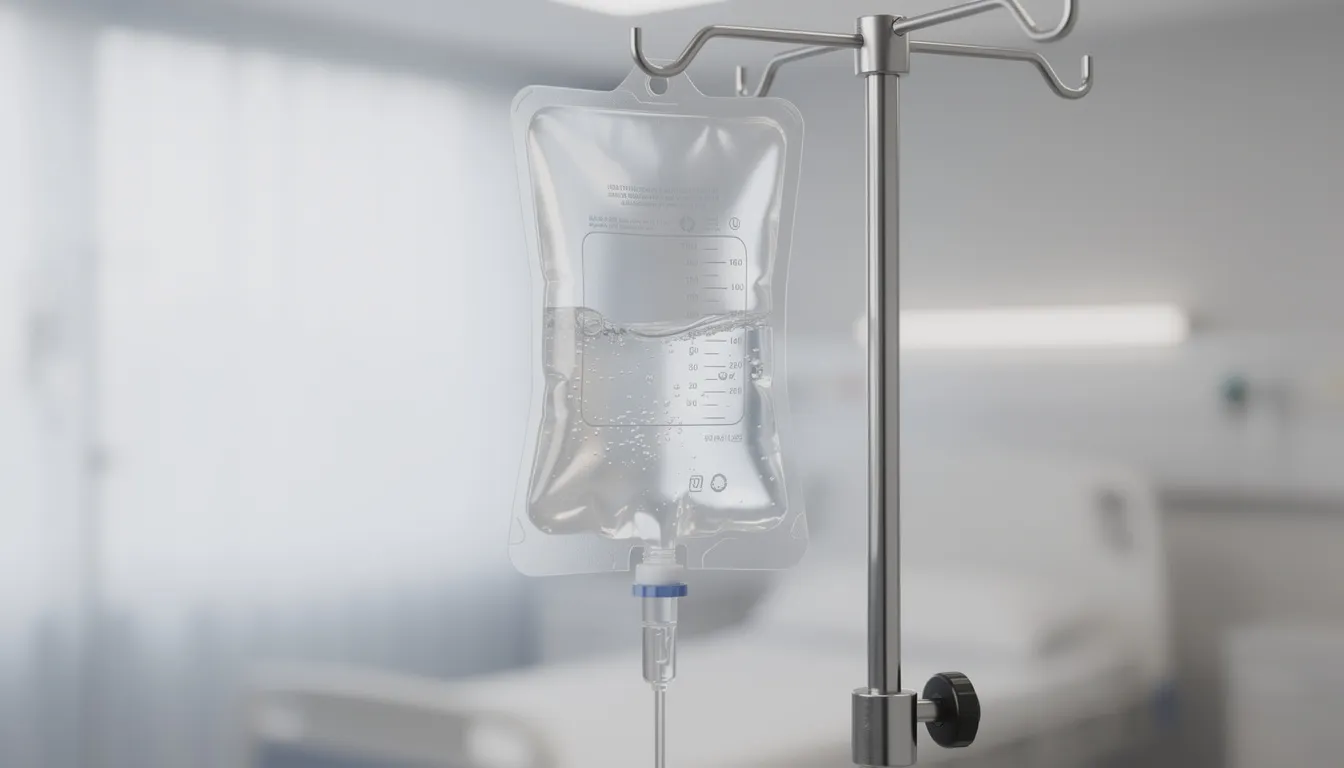
Why Mobile IV Therapy Works Faster Than Oral Hydration and Supplements
The fundamental advantage of intravenous therapy over taking oral supplements or drinking fluids comes down to one concept: bioavailability. When you deliver nutrients directly into your bloodstream, you bypass the entire digestive system—and that makes a significant difference in how quickly and completely your body can use what you’re giving it.
When you swallow a vitamin or drink water, everything must pass through your stomach and intestines before reaching your bloodstream. This process takes time, and nutrient absorption can be delayed or limited by nausea, vomiting, diarrhea, or gut inflammation. If you’ve ever had a stomach bug and struggled to keep oral fluids down, you understand this limitation firsthand.
IV therapy provides predictable dosing. Nearly 100% of the contents reach your bloodstream, whereas oral vitamins may have much lower effective bioavailability—sometimes as low as 20-50% depending on the nutrient and your gut health. This immediate absorption is why many clients report feeling benefits within minutes of starting an infusion rather than hours or days with pills.
Understanding Bioavailability in Everyday Terms
Bioavailability simply means the percentage of a nutrient your body can actually use after you take it. Think of it as the difference between what goes in and what actually gets absorbed.
Here’s a practical example: if you take a large oral dose of vitamin C, a significant portion may be broken down by stomach acid, poorly absorbed through your intestinal wall, or excreted before your cells can use it. An IV dose delivers almost the full amount directly to circulation, skipping all those potential losses.
Gut issues make this gap even wider. Conditions like irritable bowel symptoms, a recent stomach flu, or certain medications can further reduce how much your body absorbs from pills or drinks. For chronic illness affecting nutrient absorption, IV delivery may offer significant benefits over oral supplementation.
IV therapy is especially useful when fast, reliable delivery matters—before a long-haul flight, after food poisoning, during athletic recovery, or when recovering from heavy sweating. For most daily needs, a balanced diet and adequate hydration through drinking water remain sufficient. IV therapy acts as a focused tool for specific situations rather than a constant replacement for normal eating and drinking.
Potential Benefits of Mobile IV Therapy
The benefits of mobile IV therapy vary from person to person, but most clients seek quicker hydration, symptom relief, and a short-term boost in energy or clarity. The experience differs based on your baseline health status, hydration level, and specific goals.
Commonly reported benefits include:
- Reduced headache and nausea after dehydration
- Feeling less “foggy” after travel or poor sleep
- Improved sense of well-being during cold and flu season
- More comfortable recovery from minor illnesses
- Enhanced hangover recovery with faster relief than drinking fluids alone
- Reduced muscle fatigue after intense exercise
For general wellness, many people use mobile IV sessions during heavy training blocks, before major events, or as an occasional reset during high-stress periods at work. Athletes particularly appreciate the rapid rehydration when sports drinks and oral fluids aren’t replenishing losses quickly enough.
Scientific evidence is strongest for IV use in medical contexts like severe dehydration or documented nutrient deficiencies. Evidence for elective wellness blends is more limited, so expectations should remain realistic. Think of mobile IV as one component of a broader approach to overall health that still includes sleep, nutrition, exercise, and routine medical care.
Convenience and Comfort at Your Door
A major benefit of mobile IV therapy is avoiding the trip to urgent care, an emergency department, or clinic. This saves time and reduces exposure to other sick patients—particularly valuable during cold and flu season or when you’re already feeling unwell.
You can receive treatment in whatever state you’re in: pajamas at home, business casual at your desk, or relaxing in your hotel room between meetings. For busy professionals, parents, caregivers, or those with mobility challenges, having a nurse come directly removes a major barrier to receiving timely hydration and support.
Mobile services can also accommodate small groups. Bridal parties, corporate retreats, and sports teams frequently book sessions together, turning wellness into a shared stress free experience. The environment can be personalized—dim lights, favorite music, comfortable blankets—helping anxious or needle-sensitive clients feel more at ease than they might in a clinical waiting room.

Safety, Risks, and Who Should Avoid Mobile IV Therapy
IV therapy is a medical procedure that should always be performed by trained, licensed professionals following strict hygiene and safety guidelines. While generally safe when administered properly, it’s important to understand potential risks and know when to seek alternative care.
Common minor side effects include:
- Slight bruising at the injection site
- Temporary redness or irritation
- Feeling chilly from cool fluids
- Lightheadedness if the drip rate is too fast
Rare but more serious risks include:
- Infection at the insertion site
- Vein inflammation (phlebitis)
- Infiltration (fluid leaking into surrounding tissue)
- Allergic reactions to IV components
- Fluid overload in vulnerable individuals
Reputable providers screen clients carefully, use single-use sterile supplies, monitor vital signs throughout the session, and carry basic emergency-response equipment such as oxygen and antihistamines. A medical director oversees protocols and ensures nurses are properly trained.
Groups who should avoid or only receive IV therapy with physician oversight include:
- People with severe heart disease
- Those with advanced kidney disease
- Individuals with uncontrolled hypertension or certain arrhythmias
- Anyone with a history of severe allergic reactions to IV components
- People on complex medication regimens involving blood thinners or diuretics
What to Tell Your Provider Before a Session
Transparency with your healthcare professional protects you. Before your session, disclose:
- All prescription medications, over-the-counter drugs, and supplements (especially blood thinners, blood pressure medications, and diuretics)
- Chronic conditions like diabetes, kidney or liver disease, autoimmune disorders, or prior history of blood clots
- Previous reactions to IVs, injections, or specific vitamins (reactions to magnesium or preservatives in multi-dose vials are worth mentioning)
- Recent illnesses, surgeries, or hospitalizations within the last 30–60 days
- Current medical conditions or active symptoms
If you’re uncertain whether mobile IV is appropriate for you, consult your primary healthcare provider beforehand. This is particularly important if you have a complex medical history or take multiple medications. Taking this step ensures you receive safe care tailored to your individual situation.
How quickly will I feel the effects of mobile IV therapy?
Many clients notice changes such as reduced headache or clearer thinking during the infusion itself, typically within 20–30 minutes. Others feel the main benefits over the next few hours as hydration and essential nutrients are fully distributed throughout the body. The duration of effects varies—some people feel better for a day or two, while others report benefits lasting up to about a week depending on their lifestyle, hydration habits, and the type of drip used.
How often can I safely get mobile IV treatments?
For generally healthy adults, occasional sessions are common—such as once a month or around specific events like long flights, athletic competitions, or social events requiring hangover relief. More frequent plans (every 2–4 weeks) should be discussed with a healthcare provider to ensure they’re appropriate given your medical history and current health status. IV therapy should not replace daily hydration through drinking water and eating well unless specifically directed by a physician for a documented medical condition.
What should I do to prepare for a mobile IV appointment?
Drink some water beforehand and have a light snack 1–2 hours before your session unless otherwise directed. Avoid heavy alcohol use, very salty foods, and excessive caffeine on the day of your appointment to reduce strain on your heart and kidneys. Wear loose clothing with easy access to your arms, and arrange a comfortable chair or couch near an outlet and good lighting for the nurse.
Can I work or drive after a mobile IV therapy session?
Most clients can resume light activities like working on a computer or running casual errands soon after the nurse leaves. If any dizziness, fatigue, or unusual symptoms occur, rest and hydrate rather than driving or operating machinery until you feel completely normal. Planning a relatively calm schedule for the rest of the day is wise, especially after a first-time session, so you can observe how your body responds.
Is mobile IV therapy covered by insurance?
Most elective wellness-focused mobile IV services are not covered by traditional health insurance plans and are paid out-of-pocket. Costs vary by city and formulation but typically include a call-out fee plus the price of the chosen drip and any add-ons like amino acids or extra B vitamins. Some clients use pre-tax funds from HSA or FSA accounts, though eligibility depends on plan rules and whether the treatment qualifies as medically necessary. Check with your plan administrator for specific guidance.