




IV therapy, explained
Mobile IV Therapy: How It Works
A provider, a sterile kit and a drip, wherever you are. Here is every step, from booking and screening to the bandage coming off, plus what’s in the bag and who should check with a doctor first.
In this article
If you’ve ever struggled to bounce back from a stomach bug, felt wiped out after a long flight, or wondered why drinking water doesn’t seem to help as quickly as you’d like, you’re not alone. Mobile IV therapy brings professional intravenous care to your home, office, or hotel room: no waiting rooms, no clinic visit required. In this guide, we’ll walk through exactly how mobile IV therapy works, what’s inside the drips, and whether it might fit your health and wellness needs.
What Is Mobile IV Therapy?
Mobile IV therapy is professional intravenous hydration and nutrient infusion delivered wherever you happen to be: your living room, workspace, hotel room, or even an event venue. Rather than you driving to a clinic, your provider brings everything needed to give the same quality of care you’d receive in a medical setting.
This isn’t a brand-new procedure. Hospitals have used IVs to deliver fluids and medications for about a century. What’s changed is using this long-established method for non-emergency wellness and recovery in everyday settings. The core idea stays the same: delivering fluids and nutrients directly into your bloodstream through a small catheter, without relying on your digestive tract.
Drips typically include sterile IV fluids, electrolytes, and vitamins such as vitamin C and B complex. Some also include medications like anti-nausea medication. All supplies (the IV bag, tubing, catheter, disinfectants, and protective equipment) are single-use and medical-grade, and your provider follows standard clinical protocols throughout. Our ingredients are sourced from a 503B pharmacy, a sterile compounding pharmacy.
Who Is Mobile IV Therapy For?
Mobile IV therapy is an elective service for adults who want convenience, hydration, and targeted nutrient support. It’s not meant to replace emergency medical care or the care of your own doctor.
The people who typically book:
- Busy professionals who can’t take time out for a clinic visit
- Parents at home caring for sick kids, who need to stay hydrated and on their feet themselves
- Frequent travelers dealing with jet lag or dehydration from flights
- Wedding parties and event groups getting ready for a big day or recovering after one
- Athletes and fitness enthusiasts looking for recovery support after hard training or races
Common goals include easing hangover symptoms after a celebration, bouncing back from a stomach bug when drinking isn’t cutting it, immune support during cold and flu season, and restoring balance after heavy travel or stress.
Most clients are generally healthy adults 18 or older. A brief medical screening helps identify anyone who needs extra caution or clearance from their own doctor first, including people with heart failure, kidney disease, uncontrolled high blood pressure, or complex medication routines.
How Does Mobile IV Therapy Work, Step by Step?
From booking to aftercare, the visit follows the same steps every time. Knowing what to expect removes much of the uncertainty, especially if you’ve never had an IV outside a hospital.
1. Booking your session
Book online, by phone, or by text. You choose a time and a location: your home, office, hotel, Airbnb, or event space. By appointment, across Maricopa and Pinal counties.
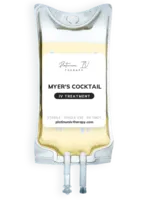
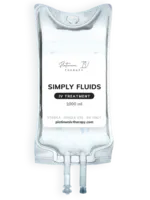
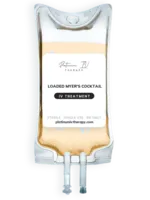
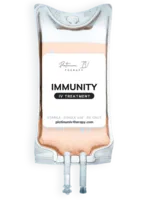
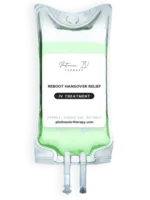
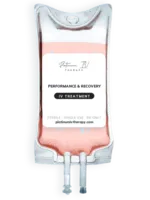
Your drip is chosen around your goals: hydration with Simply Fluids, immune support with Immunity, hangover recovery with Reboot Hangover Relief, energy with the Myer's Cocktail, or athletic recovery with Performance & Recovery. You can also add an add-on or a shot such as B12 or anti-nausea medication. Pricing for in-clinic and mobile visits is different.
2. Medical screening and consent
Before any IV is started, your health history, allergies, current medications, and recent symptoms are reviewed. First-time patients complete a brief telehealth assessment with our medical team before their session: quick, easy, and all handled online. Paperwork can be completed in advance.
Your provider checks for warning signs that need emergency or in-clinic care instead, like chest pain, severe shortness of breath, or a high fever. Vital signs such as blood pressure, heart rate, oxygen level, and temperature are usually measured. Every client reviews and signs an electronic Informed Consent before treatment.
If your provider sees a safety concern, they may decline to start the IV and refer you to urgent care or your own doctor. That isn’t meant to be frustrating: it’s responsible care that puts your safety ahead of finishing the appointment.
3. Setup at your location
Once screening is done, your provider picks a clean, well-lit spot: your living room chair, office couch, or a hotel armchair. A disposable pad protects the surface.
You’ll see the care taken: sterile supplies opened in front of you, hand hygiene and gloves, labels checked on the IV bag and any medications. The bag is hung on a portable stand, and the tubing is primed to remove air before it’s connected.
You’re made comfortable, often with a pillow or blanket, and your arm rests on a cushion so it stays still during the drip.
4. The IV and the drip
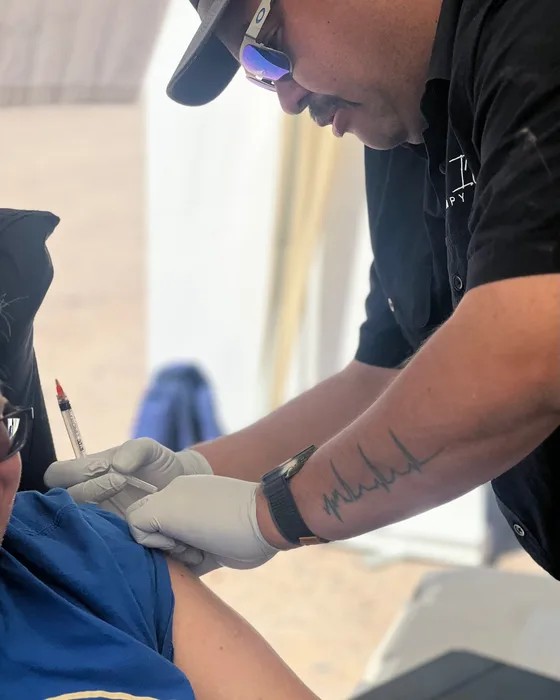
Your provider finds a suitable vein in your arm or hand, cleans the skin, and inserts a small IV catheter, just like a routine hospital IV. Most people feel only a quick pinch lasting a few seconds, and then the catheter is taped securely in place.
The line connects to the bag, and the drip rate is set so the infusion stays comfortable. You can sit back, read, watch TV, or work on a laptop while it runs, and your provider checks in on your comfort and vital signs. Sessions run 30–150 minutes depending on the treatment. Adjustments are made if you feel cold, lightheaded, or uncomfortable.
5. Wrap-up and aftercare
When the bag is finished, your provider stops the drip, removes the catheter, and puts on a small bandage. A short check follows, and your vital signs may be taken again. Typical aftercare:
- Keep the bandage on for a few hours
- Avoid heavy lifting with that arm the same day
- Keep drinking water through the day
- Listen to your body and rest if you need to
Some people feel more energy or clearer thinking soon after the session; others notice a more gradual change over the following hours. If you have any unusual symptoms after your provider leaves (significant swelling, pain, a rash, shortness of breath, or chest discomfort), seek medical attention right away.
What’s Inside a Mobile IV Drip?
What goes into your drip depends on your goal: hydration, immune support, recovery, or performance. Most wellness drips use a fluid base, electrolytes, and a mix of vitamins, with optional add-ons. The names may sound friendly, but they’re built from well-known compounds used regularly in clinical settings.
Fluids and electrolytes
Most drips start with a liter or half-liter of isotonic fluid, such as saline or a balanced electrolyte solution: the same types of IV fluids hospitals use for dehydration. Our Simply Fluids drip is 1000cc of saline or lactated Ringer's.
The key electrolytes are sodium (fluid balance and nerve signals), potassium (muscles and heart rhythm), magnesium (muscle relaxation and energy production), and calcium (muscle contraction). Rebalancing them may ease headaches, muscle cramps, and fatigue that come with mild to moderate dehydration.
Vitamins, antioxidants, and add-ons
Common vitamins in IV drips include B vitamins (B complex and B12) for energy and metabolism, and vitamin C for immune and collagen support. Some drips include antioxidants like glutathione. The well-known Myers’ Cocktail is named after John Myers, the doctor who used IV vitamin therapy decades ago; ours combines B-complex, B12, vitamin C, magnesium chloride, glutathione.
Optional additions include anti-nausea medication for hangover symptoms or an upset stomach and pain relief for aches. Always mention any supplement or medication allergies to your provider in advance.
Why IV Therapy Is Different From Drinking Fluids and Taking Supplements
The difference comes down to one idea: bioavailability, meaning how much of a nutrient your body can actually use after you take it. When you swallow a vitamin or drink water, everything passes through your stomach and intestines first. That takes time, and absorption can be limited by nausea, vomiting, diarrhea, or an upset gut. If you’ve ever had a stomach bug and struggled to keep fluids down, you know the problem firsthand.
An IV puts the full dose straight into circulation. That’s why it’s especially useful when reliable delivery matters: after food poisoning, during athletic recovery, or after heavy sweating. For most daily needs, a balanced diet and drinking water are still enough. IV therapy is a focused tool for specific situations, not a replacement for normal eating and drinking.
Potential Benefits of Mobile IV Therapy
The benefits vary from person to person, depending on your baseline health, how hydrated you are, and your goals. Commonly reported benefits include:
- Less headache and nausea after dehydration
- Feeling less “foggy” after travel or poor sleep
- A better sense of well-being during cold and flu season
- A more comfortable recovery from minor illnesses
- Hangover recovery without waiting on drinks to stay down
- Less muscle fatigue after intense exercise
The evidence is strongest for IV use in medical situations like severe dehydration or documented nutrient deficiencies. Evidence for elective wellness blends is more limited, so keep your expectations realistic. Think of mobile IV as one part of a broader approach to your health that still includes sleep, nutrition, exercise, and routine medical care.
Convenience and comfort at your door
A big benefit is skipping the trip to urgent care or a clinic. That saves time and keeps you away from other sick patients, which matters most during cold and flu season or when you already feel unwell.
You can be treated in whatever state you’re in: pajamas at home, business casual at your desk, or relaxing in your hotel room between meetings. For busy professionals, parents, caregivers, or anyone with mobility challenges, having a provider come to you removes a major barrier.
Mobile visits also work for groups. Bridal parties, corporate retreats, and sports teams often book together. Group rates available.
Safety, Risks, and Who Should Avoid Mobile IV Therapy
IV therapy is a medical procedure and should always be given by trained professionals following strict hygiene and safety guidelines. It’s generally safe when given properly, but it helps to know the risks and when to seek other care.
Common, minor
- Slight bruising where the IV went in
- Temporary redness or irritation
- Feeling chilly from cool fluids
- Lightheadedness if the drip runs too fast
Rare, more serious
- Infection at the insertion site
- Vein inflammation (phlebitis)
- Fluid leaking into the surrounding tissue
- Allergic reactions
- Fluid overload in vulnerable people
Careful screening, single-use sterile supplies, and monitoring your vital signs through the session keep those risks low. People who should avoid IV therapy, or get their own doctor’s go-ahead first, include anyone with:
- Severe heart disease
- Advanced kidney disease
- Uncontrolled high blood pressure or certain heart rhythm problems
- A history of severe allergic reactions to IV components
- Complex medication routines involving blood thinners or diuretics
What to tell your provider before a session
- Every prescription, over-the-counter medicine, and supplement you take (especially blood thinners, blood pressure medications, and diuretics)
- Ongoing conditions like diabetes, kidney or liver disease, autoimmune disorders, or a history of blood clots
- Any past reactions to IVs, injections, or specific vitamins
- Recent illnesses, surgeries, or hospital stays in the last month or two
- Any symptoms you have right now
If you’re not sure whether mobile IV is right for you, check with your own doctor first, especially if you have a complex medical history or take several medications.
Frequently Asked Questions
How quickly will I feel the effects?
Some people notice less headache or clearer thinking during the infusion itself. Others feel the main change over the next few hours. How long it lasts varies: some people feel better for a day or two, others for longer, depending on lifestyle, hydration habits, and the drip.
How often can I get mobile IV treatments?
For generally healthy adults, occasional sessions are common: once a month, or around specific events like long flights or competitions. More frequent plans should be discussed with your provider. IV therapy shouldn’t replace daily water and good food.
How should I prepare?
Drink some water beforehand and have a light snack an hour or two before your session. Avoid heavy drinking, very salty foods, and lots of caffeine that day. Wear loose clothing with easy access to your arms, and set up a comfortable chair or couch with good light.
Can I work or drive afterward?
Most people can go back to light activities like computer work or errands soon after. If you feel dizzy, tired, or unusual, rest and hydrate rather than driving until you feel completely normal. Keep the rest of the day calm after a first session so you can see how your body responds.
Is mobile IV therapy covered by insurance?
Platinum IV Therapy is a cash-pay practice; we do not bill insurance. A superbill for potential out-of-network reimbursement is available upon request. Some clients use HSA or FSA funds; whether that’s allowed depends on your plan, so check with your plan administrator.
Book a Mobile IV Visit
When you’re ready, Platinum IV Therapy comes to you. Hydration is the place most people start: Simply Fluids is 1000cc of saline or lactated Ringer's. For immune support with your fluids, Immunity adds Zinc chloride, B-complex, B12, vitamin C.

Simply Fluids
What’s in it1000cc of saline or lactated Ringer's
Mobile$150In clinic$125
Pricing for in-clinic and mobile visits is different.

A Registered Nurse guides you through your drip. Every session follows the same steps above, at your door or in our Ahwatukee and Gilbert studios.
Ready for your first drip? We come to you.
By appointment, across Maricopa and Pinal counties. A registered nurse or paramedic comes to you with medical-grade supplies.
Subject to provider availability.